Human Central Nervous System Diagram / Functions of the Central Nervous System - The central nervous system consists of the brain and the spinal cord.
Human Central Nervous System Diagram / Functions of the Central Nervous System - The central nervous system consists of the brain and the spinal cord.. The nervous system consists of the central and the peripheral nervous system. It generates, modulates and transmits information in the human body. Body nerves that connect to the central nervous system (brain and spinal cord). The autonomic nervous system controls and integrates the functions of internal organs like the heart, blood vessels, glands, etc., which are not under the control of our will. The central nervous system is ingeniously designed to respond to stimuli both internally and externally.
An online study guide to learn about the structure and function of the human nervous system parts using interactive animations and diagrams demonstrating all the essential facts about its organs. The central nervous system consists of the brain and the spinal cord. Human nervous system is mainly divided into 3 divisions, which are as follows: As with other higher vertebrates, the human nervous system has two main parts: There are about 86 billion nerve cells in the human brain.

It gathers information from all over the body and coordinates activity.
The cns acts as the control center of the body by providing its processing. I hope it helped you understand the. Damage to the brain can be caused by many things, for example, trauma and als. The nervous system, through the use of neurons, make human beings aware of their environment as well as their own bodily needs. The peripheral nervous system has additional divisions. This human anatomy clipart gallery offers 265 illustrations of the central nervous system, including external and dissected views of the brain and spinal cord. Brain, part 1 of the netter collection of medical illustrations: The cns is the site for processing the information. The central nervous system (cns) is that portion of the vertebrate nervous system that is composed of the brain and spinal cord. The following diagram is provided as an overview of and topical guide to the human nervous system: Human nervous system, system that conducts stimuli from sensory receptors to the brain and spinal cord and conducts impulses back to other body parts. The intricacies of the human nervous system are of great intellectual and practical interest and importance and are the. Information conveyed through the nervous system moves along networks of cells called neurons.
The central nervous system consists of the brain and the spinal cord. It comprises the brain and spinal cord. Damage to the brain can be caused by many things, for example, trauma and als. The intricacies of the human nervous system are of great intellectual and practical interest and importance and are the. The central system is the primary control center for the body and is composed of the brain and spinal cord.

Homeostasis — cells — integumentary — nervous — senses — muscular — blood — cardiovascular — immune — urinary — respiratory — gastrointestinal — nutrition — endocrine — reproduction (male) — reproduction (female).
As with other higher vertebrates, the human nervous system has two main parts: More detail and supporting information is in the main article. The peripheral nervous system has additional divisions. The central nervous system is ingeniously designed to respond to stimuli both internally and externally. In this article, we will outline the stages involved in the development of the central nervous. The central nervous system (sometimes referred to by its initials cns) which consists of the nervous. Part of the central nervous system found in the skull. Here are some key points about the central nervous system. It is responsible for receiving and interpreting signals from the peripheral nervous system and also sends out signals to it, either consciously or unconsciously. The cns is responsible for the control of thought processes, movement, and provides sensation central nervous system (cns) definition. Want to learn more about it? Learn vocabulary, terms and more with flashcards, games and other study tools. The cns consists of the brain and spinal.
Human nervous system, system that conducts stimuli from sensory receptors to the brain and spinal cord and conducts impulses back to other body parts. The central nervous system is made up of the brain and spinal cord. Homeostasis — cells — integumentary — nervous — senses — muscular — blood — cardiovascular — immune — urinary — respiratory — gastrointestinal — nutrition — endocrine — reproduction (male) — reproduction (female). An online study guide to learn about the structure and function of the human nervous system parts using interactive animations and diagrams demonstrating all the essential facts about its organs. There are about 86 billion nerve cells in the human brain.
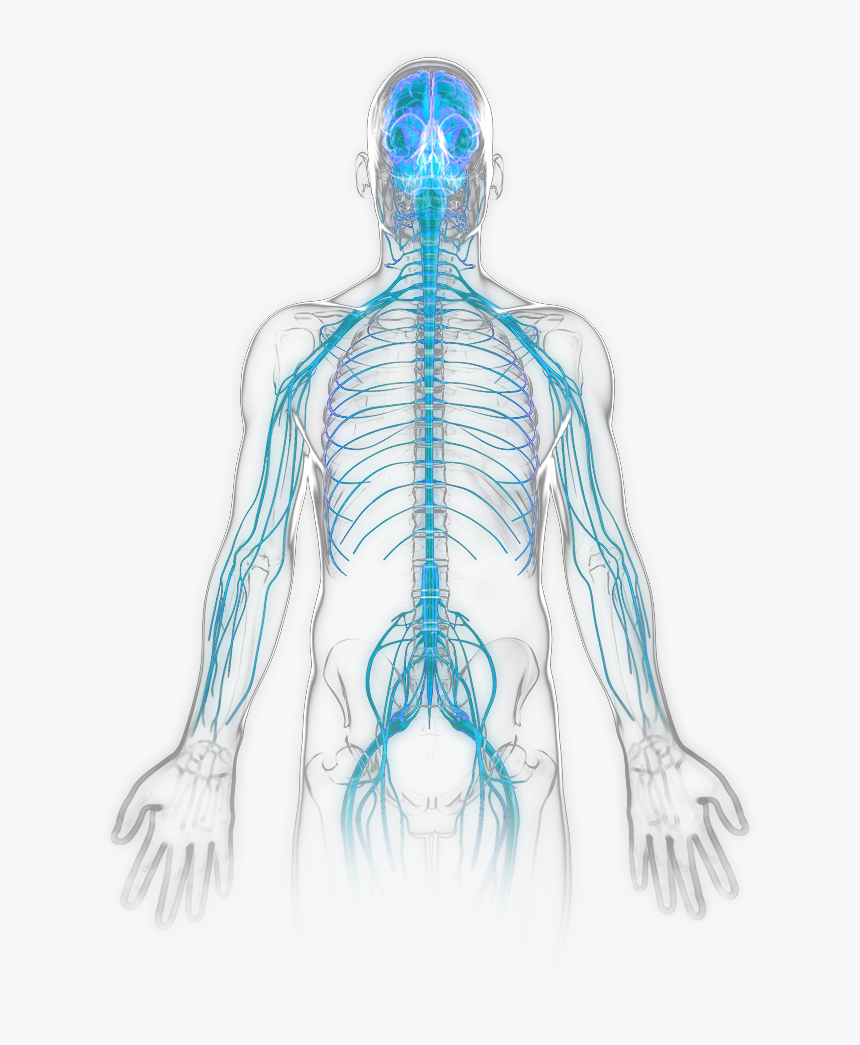
The nervous system, essentially the body's electrical wiring, is a complex collection of nerves and specialized cells known as neurons that transmit signals between different parts of the body.
You can see an overview of the central nervous system at this link. The nervous system, through the use of neurons, make human beings aware of their environment as well as their own bodily needs. The human nervous system is an intricate network of nerves. An online study guide to learn about the structure and function of the human nervous system parts using interactive animations and diagrams demonstrating all the essential facts about its organs. Homeostasis — cells — integumentary — nervous — senses — muscular — blood — cardiovascular — immune — urinary — respiratory — gastrointestinal — nutrition — endocrine — reproduction (male) — reproduction (female). As with other higher vertebrates, the human nervous system has two main parts: It is responsible for receiving and interpreting signals from the peripheral nervous system and also sends out signals to it, either consciously or unconsciously. The central system is the primary control center for the body and is composed of the brain and spinal cord. Start studying central nervous system. The cns consists of the brain and spinal. The neurons form the basic unit of the nervous system. The central nervous system (cns) is that portion of the vertebrate nervous system that is composed of the brain and spinal cord. This diagram shows the components of the central nervous system.


Komentar
Posting Komentar